Services
One company, the full fire lifecycle: fight it, fix it, prevent it.
01
Wildfire Mitigation & Fuel Management
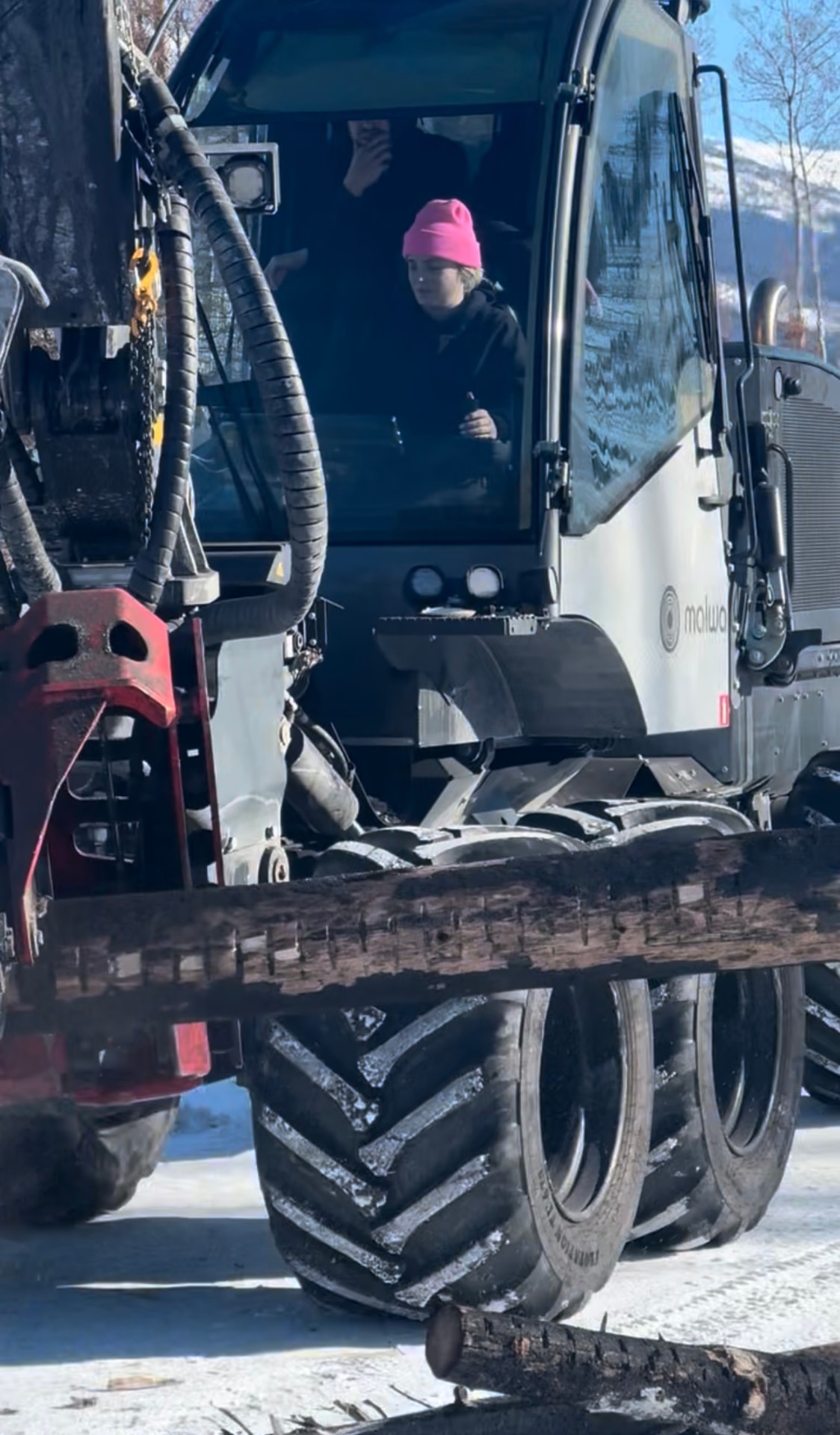
We deliver prescribed fuel treatments in the wildland-urban interface and other community-facing settings: mechanized and hand thinning, surface fuel reduction, pruning, and debris management. Our treatments are built to change fire behaviour — and we back them with mechanized capability most contractors can't field.
- WUI fuel reduction
- Mechanized + hand treatment
- Prescription implementation
- Debris processing and removal
02
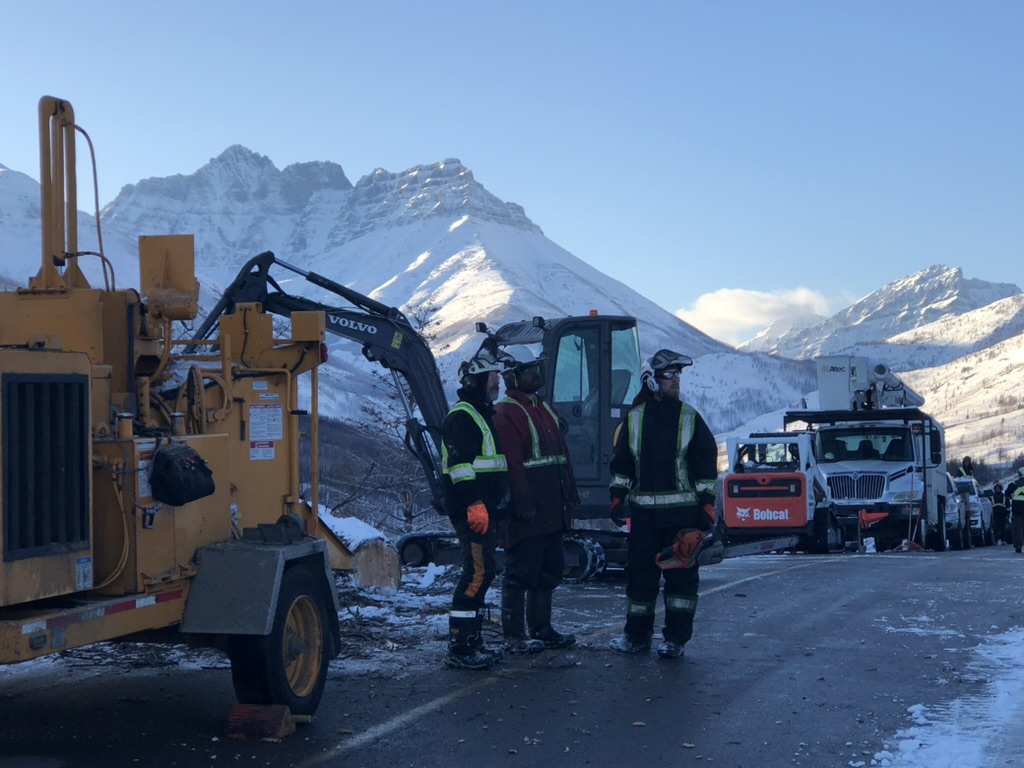
Danger Tree Assessment & Falling
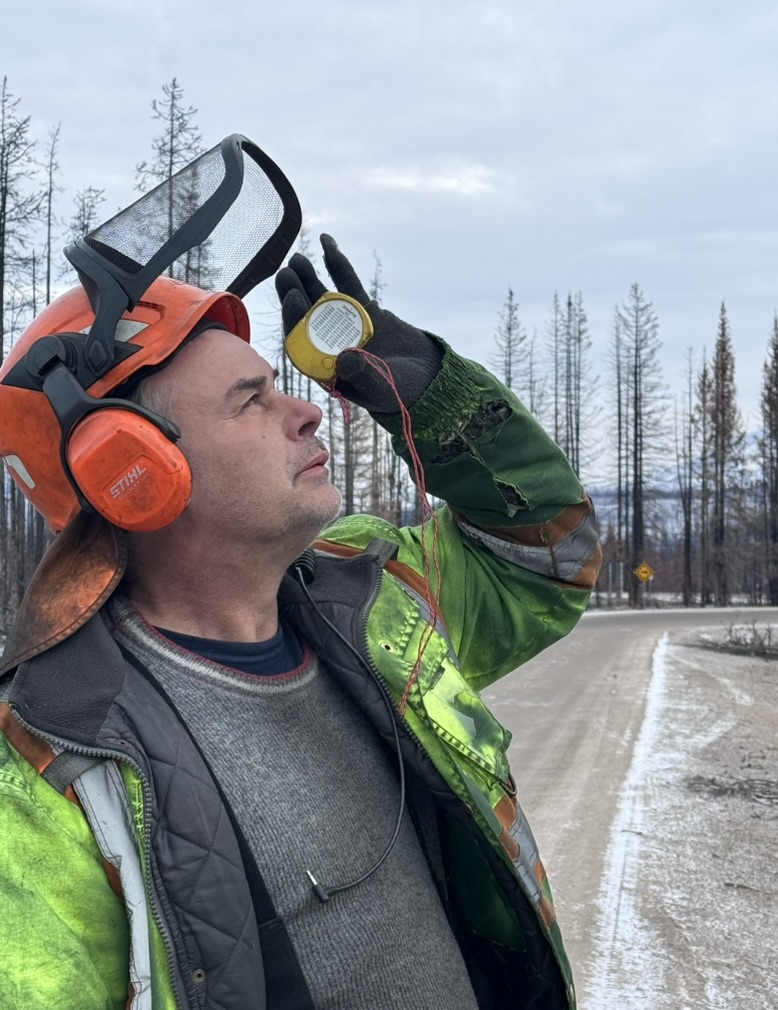
Certified Wildlife Danger Tree Assessors and certified fallers, with crews dual-ticketed for both assessment and falling. We work active incidents, post-fire landscapes, utility corridors, campgrounds, trails, and industrial sites.
- Dual DTA/DTF crews
- Active incident support
- Utilities and infrastructure
- Parks and recreation sites
03
Post-Fire Recovery
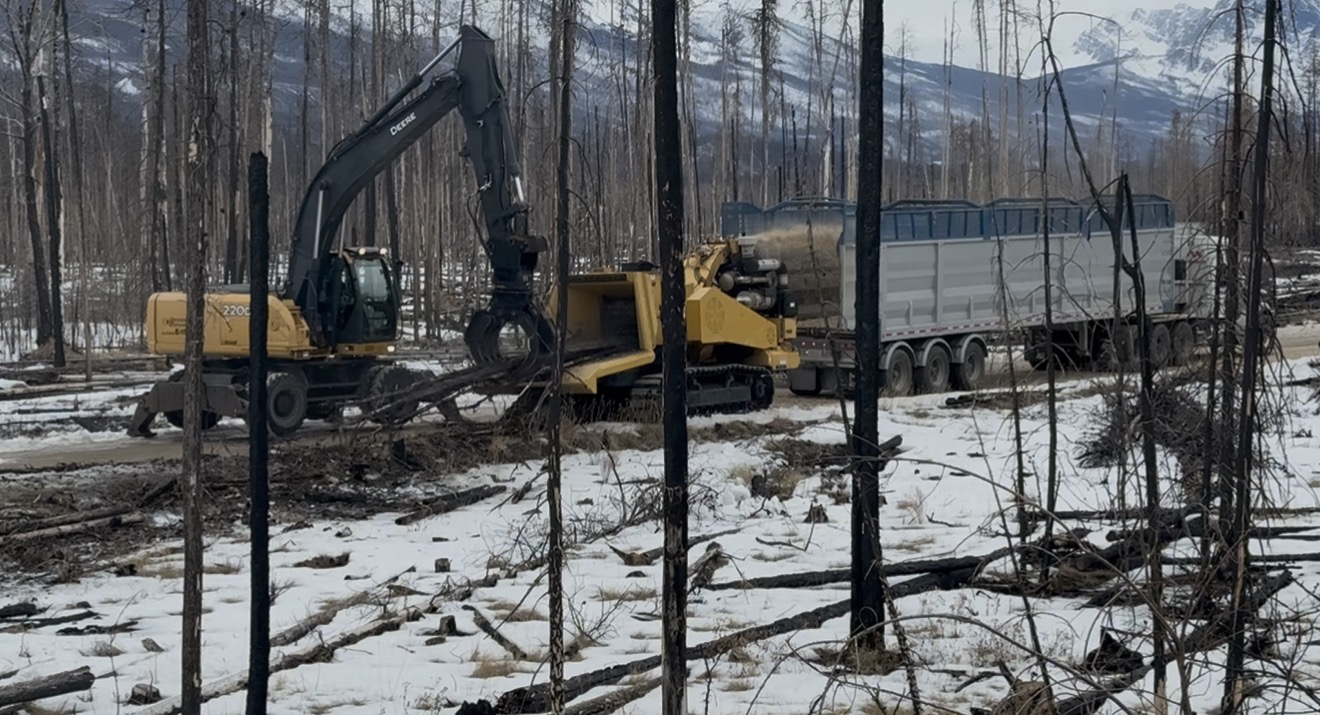
From first entry into a burned landscape to final handover, we plan and deliver hazard tree recovery and restoration at landscape scale. We have delivered post-wildfire recovery in both Waterton Lakes and Jasper National Parks — among Canada's most comprehensive park recovery efforts.
- Burned-area hazard assessment
- Large-scale hazard tree recovery
- Multi-year program delivery
- Restoration support
04
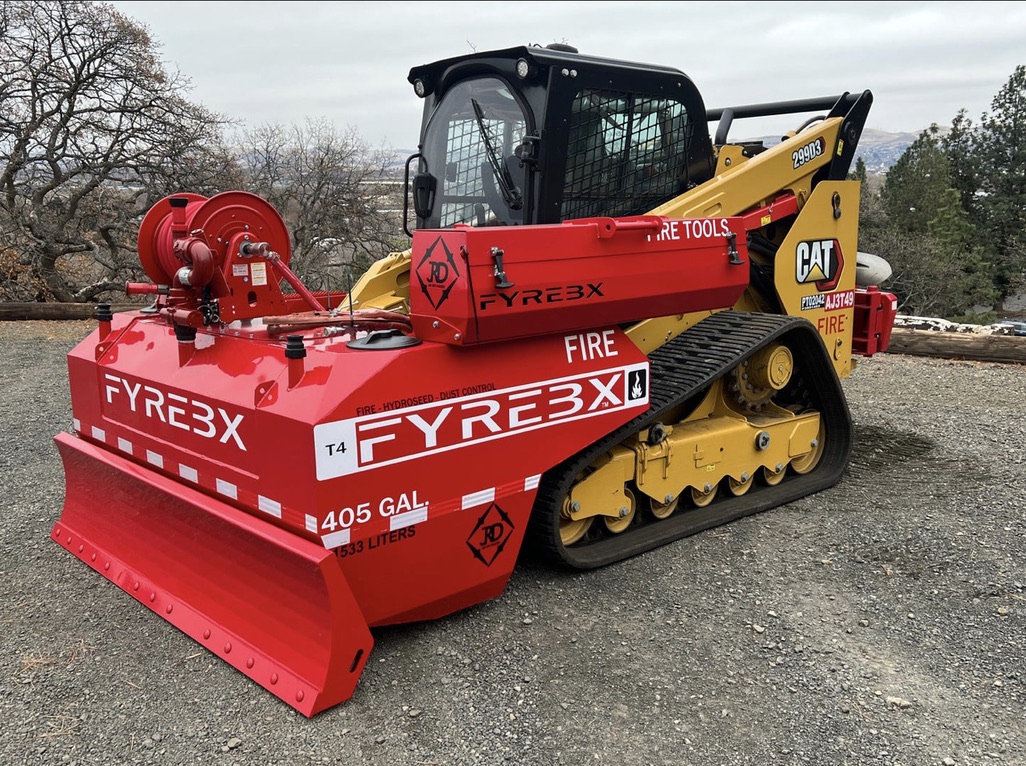
Active Fire Support
Equipped, experienced, safety-led crews supporting incident management teams on active wildfire deployments — currently deployed on federal wildfire operations.
- Danger tree modules for active incidents
- Equipped crews (trucks, SXS, saws)
- Rapid mobilization
- Federal contract experience
05
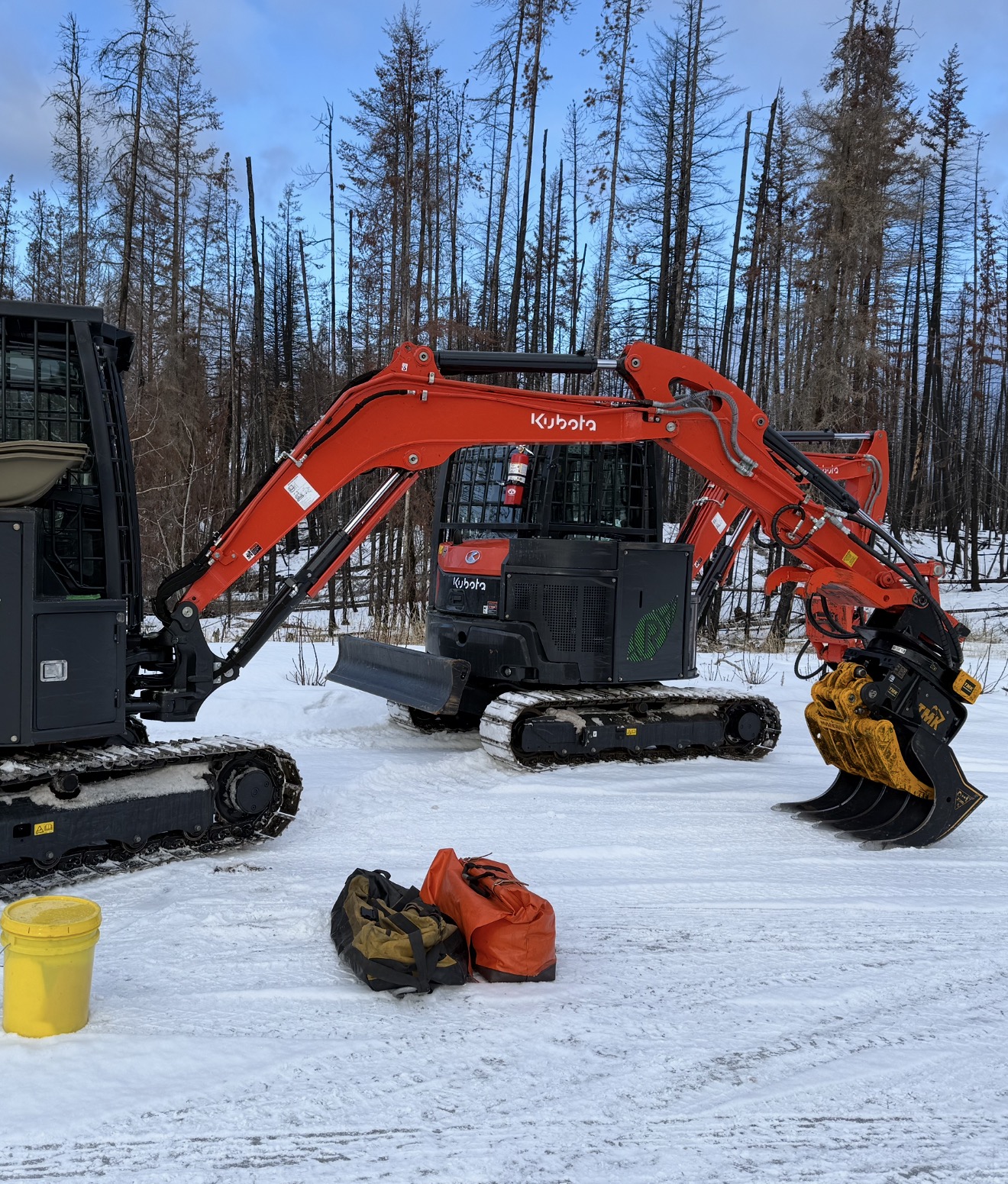
Fibre Utilization
Treatment fibre follows a highest-and-best-use hierarchy: merchantable sawlogs to mills, pulp where markets exist, and the residual stream — the wood nobody wants — converted to low-carbon industrial use instead of being pile-burned. Our Banff-to-industry fibre program is putting wildfire-treatment residuals to work as low-carbon fuel today.
- Merchantable sorting and marketing
- Residual biomass recovery
- Low-carbon industrial supply
- Chipping and processing (Vermeer BC1500XL class equipment)
06
Arborist & Technical Tree Services
ISA Certified Arborist and TRAQ-qualified assessment and technical tree work in community and high-consequence settings.
- Tree risk assessment (TRAQ)
- Technical removals
- Municipal and campground work
FAQ
Common questions about our work
- What is wildfire mitigation, and what does a treatment actually involve?
- Wildfire mitigation is the physical modification of a forest stand so fire behaves differently when it arrives. On the ground that means thinning stems, removing ladder fuels, pruning, reducing surface fuel loading, and dealing with the debris — mechanically where terrain allows, by hand where it doesn't. Treatments are built to an approved prescription and are most common in the wildland-urban interface around communities, infrastructure, and recreation sites.
- How is a danger tree assessed?
- A Certified Wildlife Danger Tree Assessor evaluates each stem for structural defect, lean, root condition, fire damage, and the target it threatens, then classifies it as safe or dangerous and prescribes the response. Our crews are dual-ticketed as assessors and certified fallers, so assessment and removal happen in the same pass rather than as two separate mobilizations.
- Do you work in national parks?
- Yes. We have delivered post-wildfire recovery in both Waterton Lakes and Jasper National Parks, and we run a fibre-to-industry program out of Banff. Park work carries tighter environmental, archaeological, and visitor-safety requirements than industrial ground, and our systems are built for it.
- What areas do you serve?
- We are based at Fernie, British Columbia and work across British Columbia and Alberta, including Canada's mountain national parks. For remote or multi-month programs we mobilize fully self-sufficient crews and equipment.
- Are you COR and SAFE certified?
- Yes. Rossco's Forest Health holds COR (Certificate of Recognition) and BC Forest Safety SAFE Certification, and we operate a documented health and safety program with daily planning, competency verification, and third-party auditing.
- What happens to the wood and debris you remove?
- Treatment fibre follows a highest-and-best-use hierarchy: merchantable sawlogs go to mills, pulp goes to market where one exists, and the residual stream that would normally be pile-burned is chipped and delivered into low-carbon industrial use. That keeps material out of burn piles and turns a disposal cost into a product.
- How quickly can you mobilize for an active fire or an emergency hazard?
- We maintain equipped, ticketed crews with trucks, side-by-sides, saws, and support gear ready for rapid deployment on active incidents, and we have delivered under federal wildfire contracts. Call 250-430-7734 for time-sensitive work rather than using the quote form.
- Can you handle hazard trees along roads, rail, and utility corridors?
- Yes — corridor work is a distinct discipline with its own traffic control, outage coordination, and reach requirements, and we run bucket trucks, boom lifts, and grapple equipment for it.
Still deciding where to start? See our project record or get in touch.